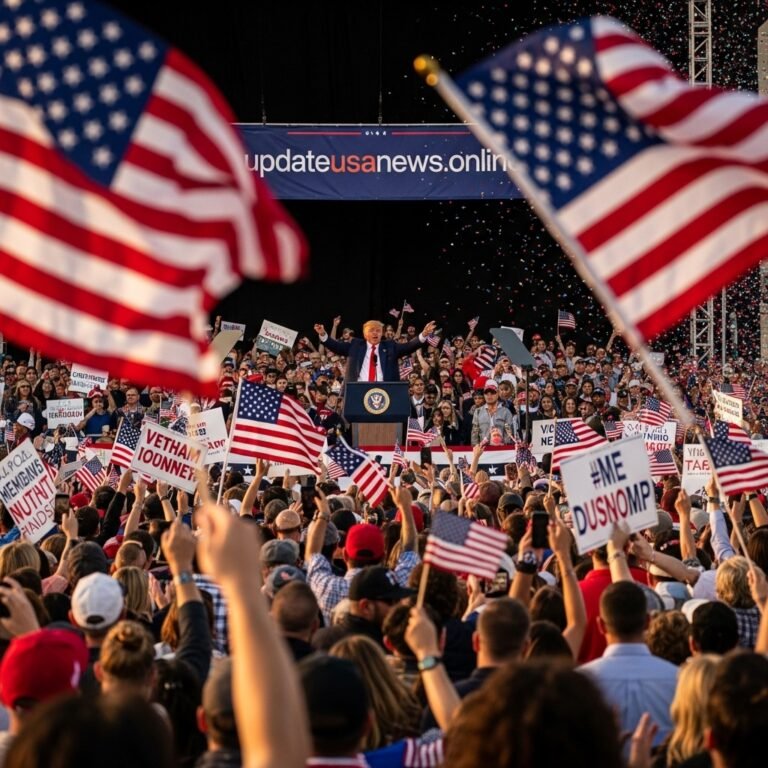
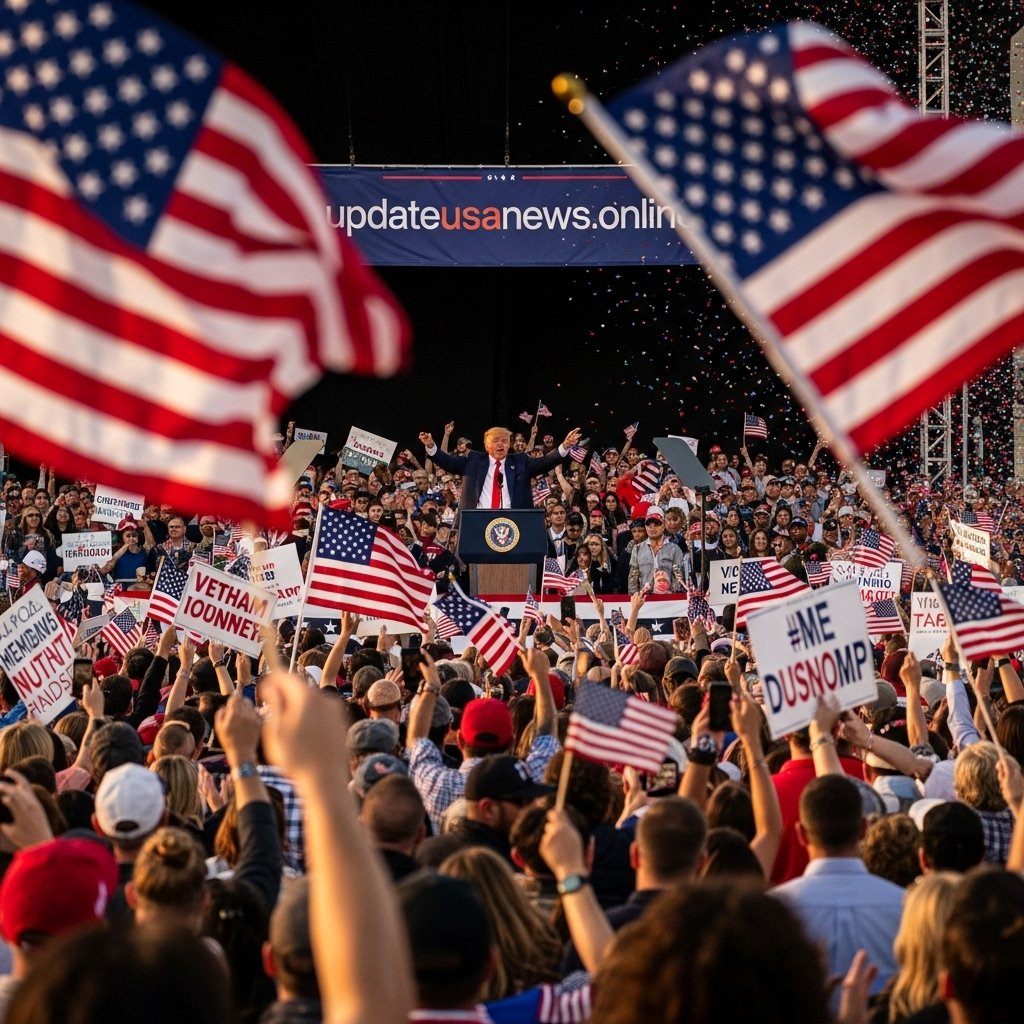
In the 2024 U.S. general election cycle, campaign dynamics shifted rapidly, polling signals evolved, and voters across America signalled changing priorities. Staying abreast of US election news means understanding not only who is running, but how the campaigns are resonating, where support is moving, and why it matters for the future of American governance. Below we unpack major campaign updates, polling trends, and key take-aways for U.S. voters.
Table of Contents
Campaign Landscape and Key Updates
As the 2024 election season rolled toward November, major campaigns on both sides accelerated outreach, expanded digital platforms, and targeted demographic leanings in battleground states. Several updates stand out:
- The Republican ticket gained momentum in several swing states after closing previous polling gaps.
- The Democratic campaign emphasized mobilising younger and minority voters, while navigating internal criticisms and strategic challenges.
- Both parties increased spending and grassroots efforts in crucial states such as Michigan, Pennsylvania, Georgia, and Arizona.
- Early and mail-in voting surged, reshaping traditional election-day dynamics and forcing both campaigns to adapt rapidly.
These updates reflect the evolving nature of campaign strategy in U.S. election news—digital, demographic, and more fluid than ever.
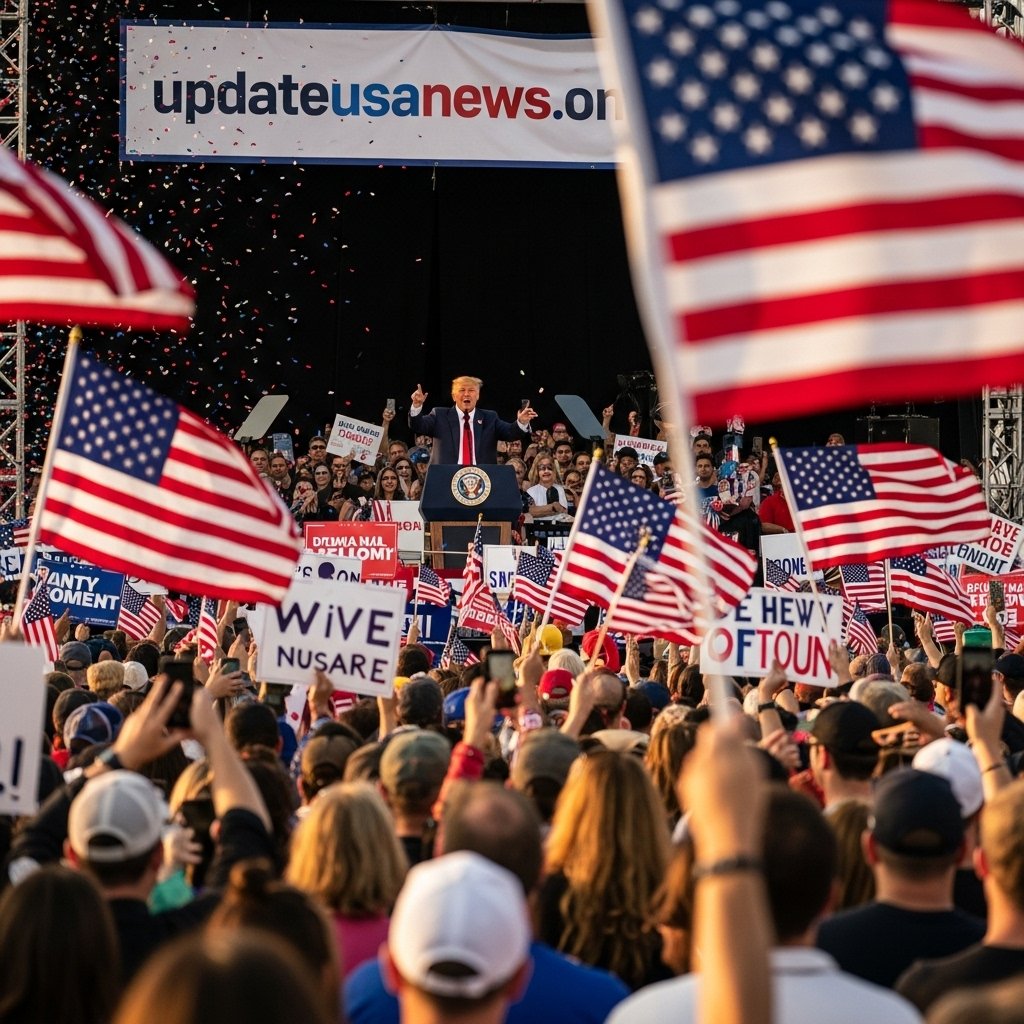
Polling Trends and National Sentiment
Polling remains one of the most cited metrics in US election news, though its predictive accuracy is contested. A few key polling highlights:
- According to a final national poll by NPR/PBS News/Marist published November 4, 2024, Vice-President Kamala Harris held 51 % support among likely voters, while former President Donald Trump registered 47 %. PBS+1
- A broader polling average from multiple sources showed the race narrowing in the final stretch, particularly in swing states where Trump had regained ground. Financial Times+1
- Exit-poll data revealed shifting demographics: for instance, Trump improved his share among Hispanic men (up significantly from 2020) while Harris maintained strong support among Black voters. Reuters
- In battleground states such as Arizona, data pointed to very narrow leads; for example, one polling average had Trump leading Harris by just ~2 points in that state. Wikipedia
Why it matters: Polls provide a snapshot of where things stand today, but campaigns that leverage momentum, enthusiasm, and resources often tip the balance in US election news.
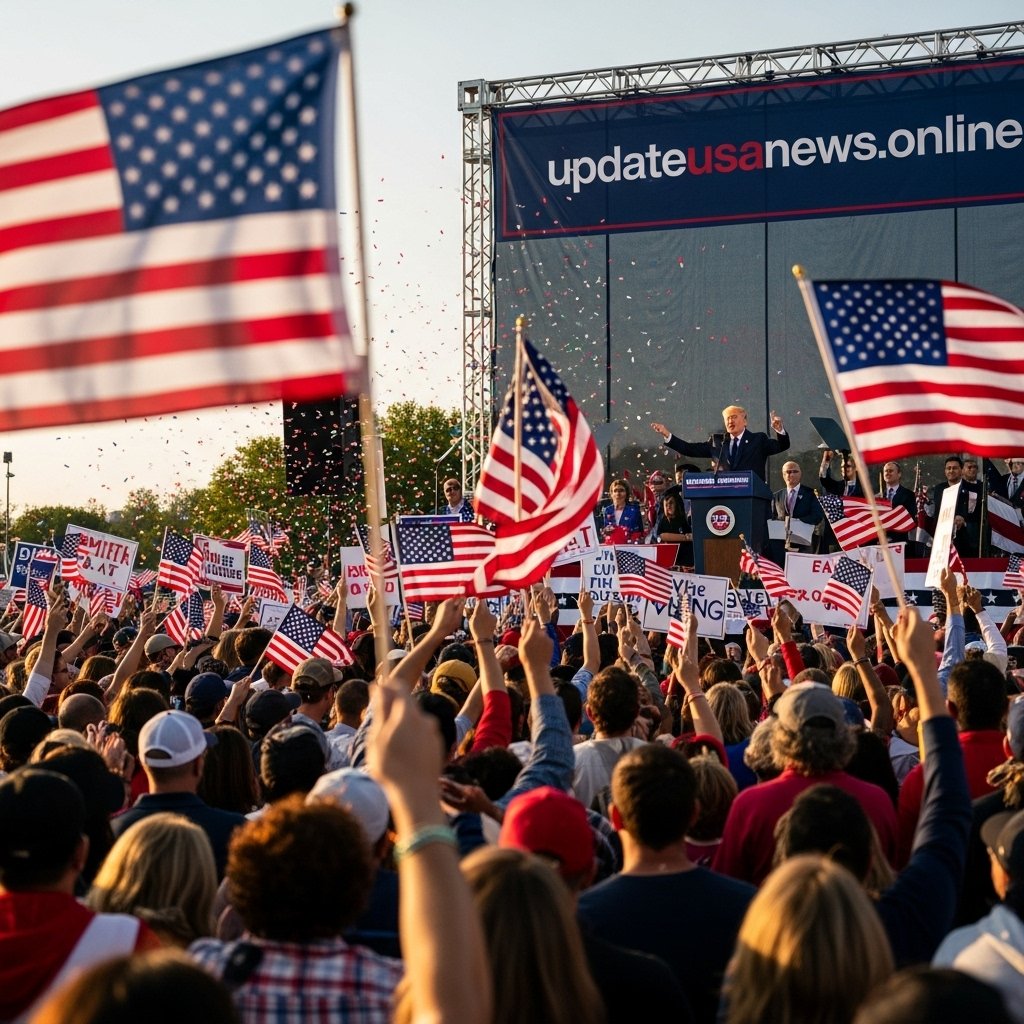
Demographic Shifts & Voter Behavior
Beyond raw percentages, US election news increasingly focuses on who is shifting and why. A few noteworthy changes:
- Younger voters (ages 18-29) showed signs of disillusionment with traditional political messaging. One data analysis noted a dramatic drop in approval for Trump among that group, despite earlier gains. The Daily Beast
- Hispanic voters, particularly men, swung more towards Trump than in previous years, narrowing gaps that Democrats once counted on. Reuters
- The gender gap persisted but shrank: women continued to lean toward Harris, but the margins closed somewhat as men’s support for Trump dipped. PBS
- Voter concerns also shifted: for many voters, economic issues, inflation, and affordability ranked higher than previous prestige issues. One exit poll showed 31 % said the economy mattered most in deciding their vote. Reuters
These demographic movements are central to US election news—they often define future strategies and signal where each party may need to rebuild or reorient.
What the Results & Polls Suggest for the Future
Although the 2024 election is complete, the implications will ripple across U.S. politics and governance. Here’s what to watch:
- A narrow margin or surprising state result may shift how campaigns allocate resources in 2026 and beyond.
- If one party fails to hold ground among key demographics (e.g., younger voters or minorities), it may lead to strategic overhaul.
- The margin of error in swing states suggests that turnout and ground strategy matter more than ever; small shifts have outsized impact.
- The focus on early voting and mail-in ballots changes how US election news will cover future campaigns—campaigns can no longer rely solely on last-minute rallies.
Implications for American Voters
For U.S. citizens, keeping tuned to US election news isn’t just about presidential drama. Here’s what it means:
- Policy direction: The victor determines policy priorities on economy, healthcare, climate change, foreign affairs, and more.
- Representation: Understanding shifts in voter behavior helps citizens anticipate how their communities may be represented.
- Participation: High turnout, particularly in early and mail-in voting, means every vote gains even more weight in closely divided states.
- Accountability: Voters can follow how campaign promises align with actual policy once officials take office—continuing the narrative of US election news beyond election day.
What to Watch Next
- State-by-state analysis: Will traditionally safe states remain so, or will the “purple map” expand?
- Congressional and legislative races: Midterm and local elections often ripple from the presidential result.
- Campaign strategy shifts: How will parties adjust messaging, demographics, and technologies?
- Polling methodology: As US election news evolves, expect more scrutiny on how polls are conducted and interpreted.
- Voting laws and access: Changes to voting regulations and turnout tactics will shape future elections more than ever.
Final Thoughts
The 2024 election cycle reaffirmed a few truths and challenged others: that America’s electorate is complex, unpredictable, and highly responsive to shifting issues. For those following US election news, the takeaway is clear: data matters, demographics matter, and turnout matters most of all.
About the Author