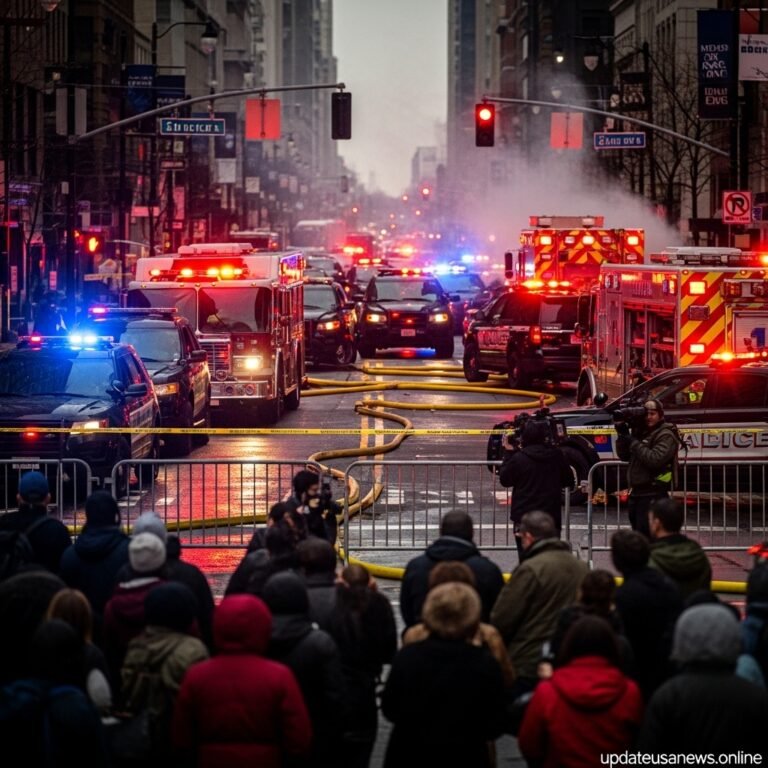

America is currently experiencing a significant wave of Emergency Alert updates as multiple states respond to developing situations across the country. The Emergency Alert system has been activated to notify residents of potential threats, public safety hazards, and ongoing incidents that require immediate awareness. As communities seek accurate and fast information, national newsrooms and official agencies are releasing continuous updates to ensure every American remains informed.
The current situation varies from region to region, but the level of national awareness is higher than usual. Several cities have already implemented precautionary measures while state leaders monitor escalating conditions. This comprehensive report provides detailed coverage of everything unfolding across the United States, including major alerts, government actions, public safety guidelines, expert opinions, and what Americans can expect next.
Table of Contents
Emergency Alert: Nationwide Updates and Public Warnings
The Emergency Alert notifications issued today cover multiple categories, including severe weather risks, infrastructure failures, public safety concerns, and regional disruptions. While not all states are directly affected, the entire country is on heightened alert due to the unpredictable nature of these events.
Key Emergency Highlights
- Several states received urgent warnings about hazardous conditions.
- Federal emergency teams are coordinating with local authorities.
- Transportation services in multiple regions have reported disruptions.
- Power grid monitoring has increased in states facing weather complications.
- Citizens are advised to stay alert for additional emergency notifications.
- Critical infrastructure locations remain under active observation.
Authorities stress the importance of relying only on official government alerts and trusted news sources for accurate updates.
Emergency Alert: Impact Across Major U.S. Cities
Various American cities are reporting different levels of impact. Some locations are under direct emergency protocols, while others are in active monitoring stages. The table below summarizes the current situation in key urban areas:

| City | Emergency Status | Impact Level | Key Notes |
|---|---|---|---|
| New York City | Active alert | High | Weather risks and transit delays |
| Los Angeles | Monitoring phase | Moderate | Advisory issued for residents |
| Chicago | Alert preparedness | Moderate | City officials evaluating conditions |
| Houston | Severe alerts active | High | Flooding risks and heavy warnings |
| Miami | Stable but alert-ready | Low | Weather monitoring continues |
These classifications can change rapidly as new information is released. Residents in affected areas are urged to be prepared for sudden updates or additional warnings.
Emergency Alert: Government Response and Emergency Actions
Federal, state, and local governments have mobilized in response to the series of alerts affecting the country. The coordinated effort aims to minimize potential damage, protect residents, and ensure critical resources are available where needed.
Federal-Level Emergency Actions
- Activation of national emergency coordination centers
- Direct communication with governors and state emergency teams
- Assessment of nationwide weather and public safety threats
- Deployment of rapid-response personnel to critical zones
- Real-time data evaluation through government monitoring systems
State and Local Emergency Actions
- Issuance of advisories and live warning messages
- Public safety checkpoints in high-risk areas
- Temporary closures of roads, highways, or public facilities
- Updates through local news stations and city communication platforms
- Extra staffing of emergency medical and rescue teams
Officials remind citizens that compliance with safety protocols is essential, especially in states facing severe alerts or ongoing incidents.
Emergency Alert: Public Safety Guidelines for Americans
Emergency conditions require quick and informed action from the public. Regardless of whether a resident is in a high-risk or low-risk region, national safety experts strongly recommend the following precautions.
Essential Emergency Steps
- Monitor local news channels and official government alerts.
- Avoid unnecessary travel, particularly in areas experiencing severe warnings.
- Keep emergency supplies readily available, including flashlights, food, water, and first aid essentials.
- Charge electronic devices in case of power disruptions.
- Stay indoors during severe weather, hazardous conditions, or official advisories.
- Cooperate with law enforcement or emergency personnel when asked.
- Ensure elderly family members or neighbors are safe and aware of alerts.
Preparing in advance significantly reduces risk and helps communities remain resilient during ongoing emergency conditions.
Emergency Alert: Expert Analysis on National Preparedness
Emergency analysts across the United States have provided detailed assessments of the current situation. Their evaluations highlight the complexity of coordinating national alerts, the importance of public compliance, and the need for technological updates to enhance the Emergency Alert system.
Experts note that:
- The increased frequency of severe weather events requires stronger early-warning infrastructure.
- Many cities need updated emergency communication systems for faster public notifications.
- Public awareness and education on emergency response remain critical.
- Collaboration between federal and local agencies has improved but can still be optimized.
- The next 24 hours may define the overall impact of today’s alerts.
Analysts also emphasize that panic is not helpful. Instead, staying calm, informed, and prepared ensures better outcomes during emergency scenarios.
Emergency Alert: Expected Updates in the Coming Hours
More Emergency Alert updates are expected throughout the day as agencies continue analyzing data and monitoring conditions. Factors such as shifting weather patterns, infrastructure stability, transportation pressures, and environmental conditions will influence future alerts.
Americans should anticipate possible developments including:
- Additional state advisories or expanded warning zones
- Emergency press conferences from state officials
- Travel restrictions or updated safety measures
- Power grid stability reports
- Public shelter information if needed
- Enhanced security protocols in high-risk locations
Residents are encouraged to follow trustworthy news outlets and government websites for real-time updates.
Conclusion
As the nation responds to these widespread Emergency Alert notifications, staying informed is the most important step Americans can take. With government agencies working actively to address ongoing threats and protect communities, the United States is prepared to manage the evolving situation. This detailed report ensures readers remain updated, aware, and ready for any new developments that may arise. Continue monitoring trusted sources and be prepared to act quickly if additional alerts are issued.
About the Author